
Varicose Veins
At Capitol Vein and Laser Centers, we offer a range of minimally invasive procedures to eliminate varicose veins and make legs look better and feel healthier.
What are Varicose Veins?
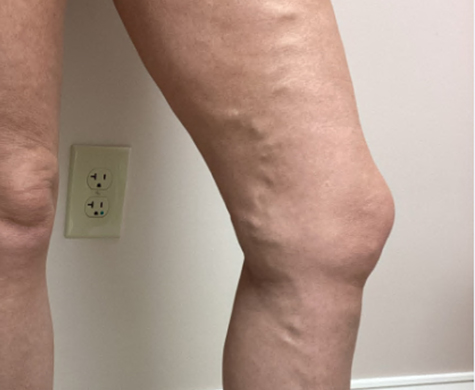
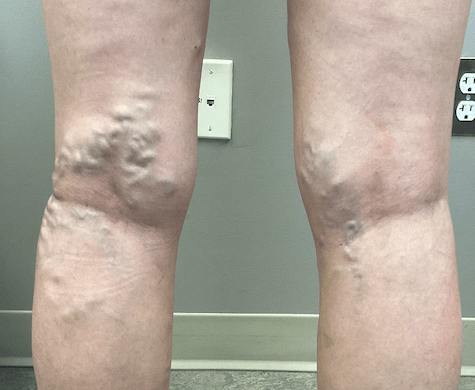
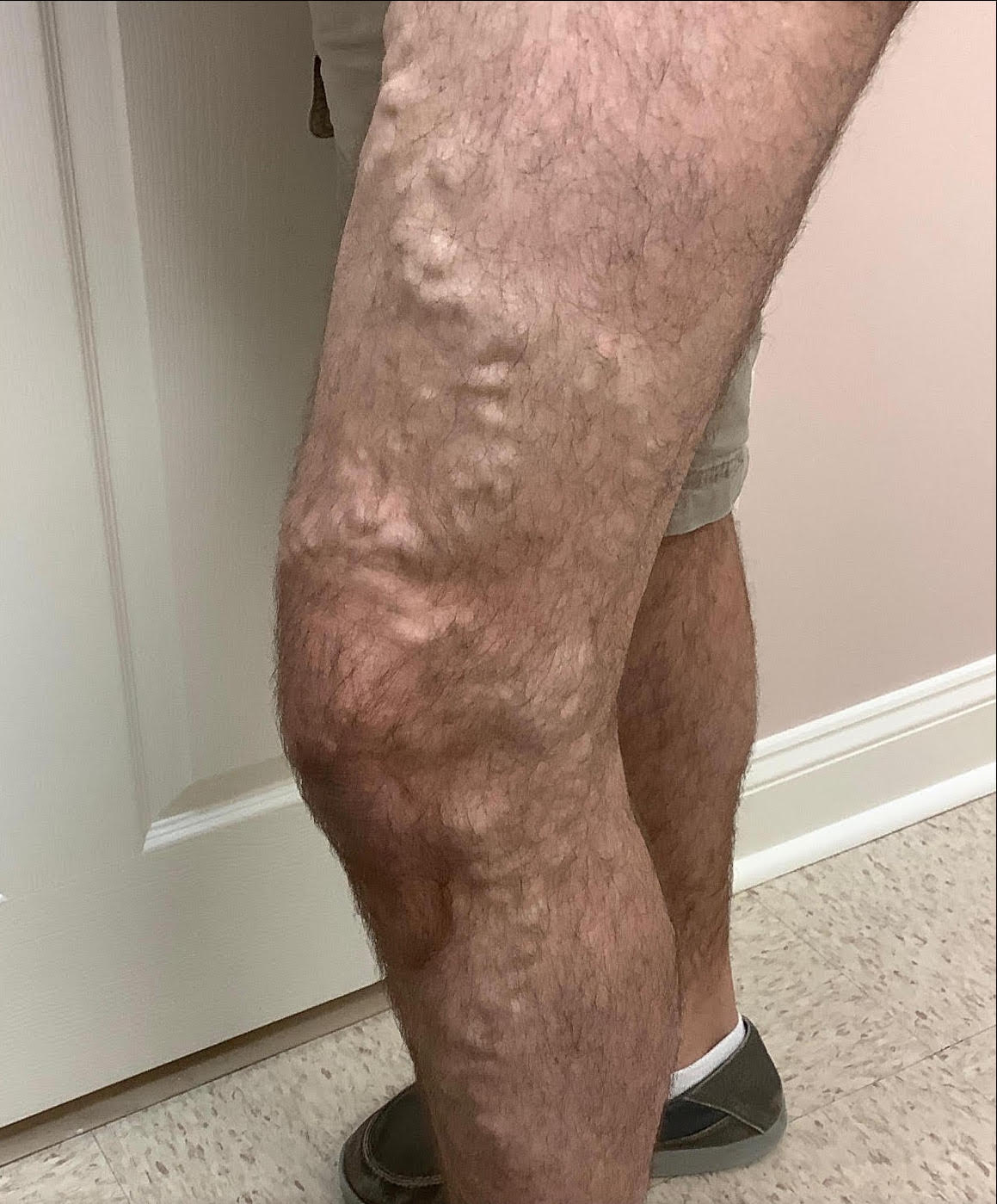
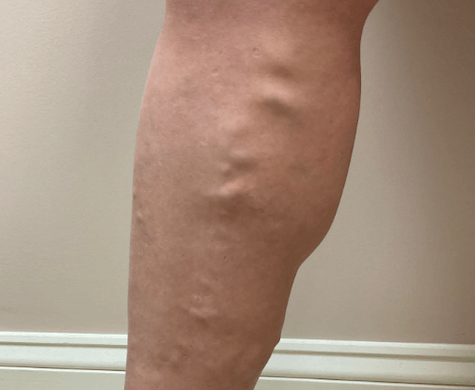
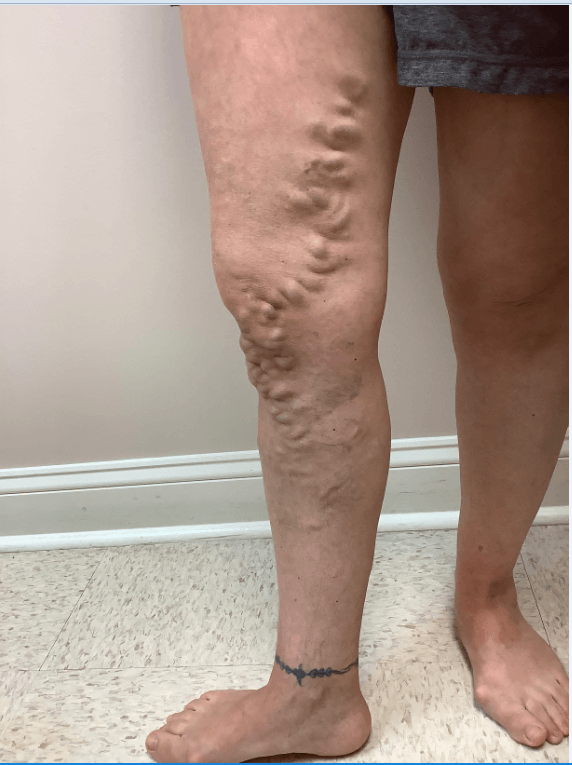
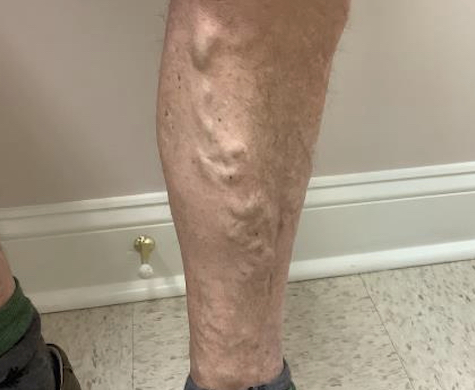
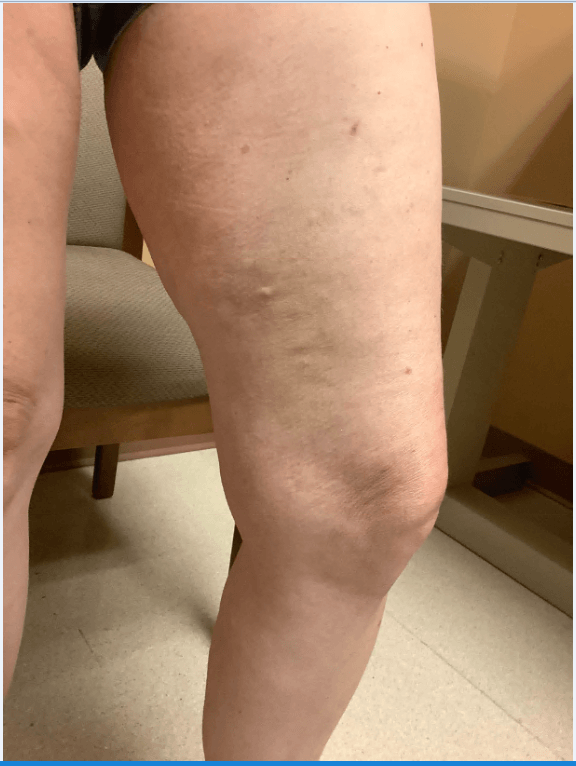
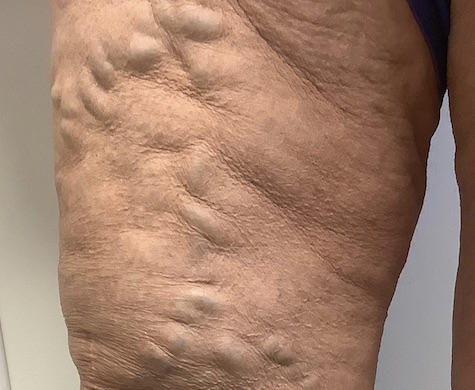
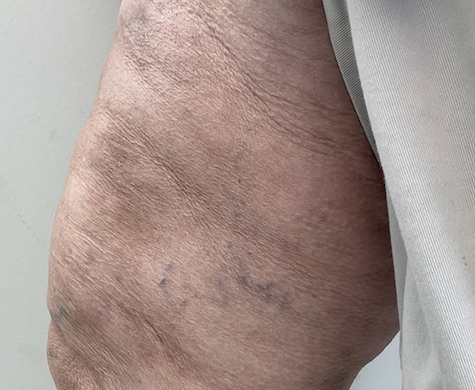
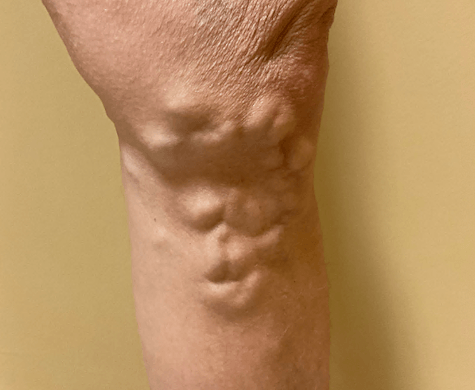
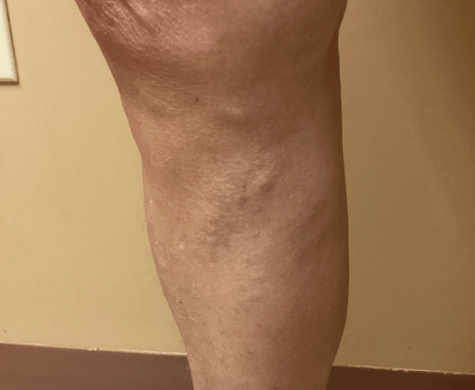
Varicose veins are enlarged leg veins that bulge outward and often are associated with leg aching, heaviness & cramping. Varicose veins commonly worsen over time and can produce increased discomfort, leg swelling, skin changes, restless leg syndrome and risk for blood clots.
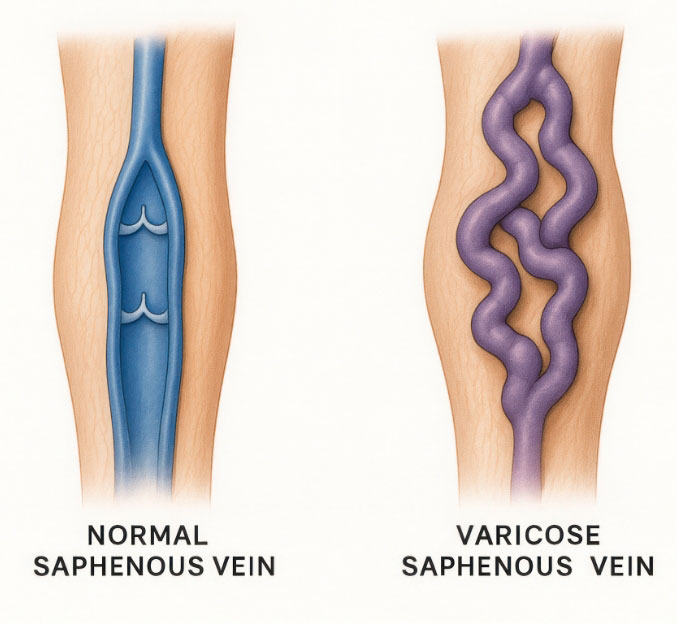
Normally veins in the leg carry blood from the lower leg to the upper leg against the steady downward force of gravity. Small, fraglie one-way valves in the veins ensure the proper direction of flow up the leg. If these tiny valves are damaged or cease to function normally, the veins lose the ability to push the blood upwards, and the pressure of gravity causes pooling of venous blood in the leg. As this pressure is transmitted from the inner leg to the outer leg, the surface veins bulge, leading to varicose veins. The normally straight veins become overloaded with blood causing the swelling and twisting that you see at the surface of the leg.
Most varicose veins cause symptoms of aching, heaviness, fatigue, itching or swelling. We find some patients who even in the absence of symptoms, have skin discoloration due to the
Patients are born with an overabundance of leg veins, and treatment of these varicose veins is extremely effective, easing the symptoms and improving the appearance greatly. You will never “run out” of leg veins, even if new veins require treatment.
What causes Varicose Veins?
Varicose veins are caused by venous insufficiency, which prevents the proper flow of blood and allows it to pool in the leg veins. This causes the bulging and symptoms described above. The normal flow of venous blood is up the leg, against the steady force of gravity. One-way valves in the veins propel blood in the proper direction, but if the valves weaken, the direction of flow reverses. This is known as reflux. Venous reflux leads to varicose veins.
The varicose veins that you see on the surface are much larger than normal leg veins and may have a bluish hue due to the increased volume of blood present. The veins may even feel warm to the touch because of the increased volume of blood present so close to the skin.
Genetics plays a big role in determining who is likely to develop varicose veins. In addition, multiple pregnancies, prior blood clots, obesity and leg trauma can lead to these protruding veins.
A duplex ultrasound scan is performed to establish an accurate diagnosis of varicose vein pain and facilitate an effective and durable treatment plan so that the risk of future leg vein problems is minimized.
What are the symptoms?
- Aching legs, usually worse as the day progresses
- Throbbing along the enlarged veins where pressure increases
- Itching at the site of skin discoloration (dermatitis)
- Swollen legs, especially in the lower legs when blood does not exit the leg normally
- General discomfort
- Restless legs, which often respond very well to varicose vein treatments
Who has the highest risk?
- Varicose veins will afflict approximately 20% of all adults by age 60. Varicose vein risk factors include the following:
- Women are more likely to suffer from varicose veins than men, though men make up about 20% of our patients
- Varicose veins may develop during pregnancy or as the result of hormonal changes during menopause
- Family history can put you at higher varicose vein risk
- Those suffering from obesity are more likely to have varicose veins
- Occupational and lifestyle factors requiring long periods of standing can also lead to varicose veins, as can other vein diseases such as blood clots.
Understanding Venous Insufficiency
Leg veins return blood from the lower extremities to the heart. Proper vein blood flow occurs against gravity. Pumped by the leg muscles, venous blood travels through one way valves in the leg veins which allow only upward flow toward the heart.
Venous insufficiency occurs when the one way valves fail or “leak,” allowing blood in the vein to follow gravity and flow backward toward the feet. This causes pressure to build up in the veins, distending them so that they bulge out of the surface of the skin and cause leg vein pain. Symptoms such as aching, fatigue, swelling and skin color changes can occur and worsen over time if the varicose vein causes are left untreated.
Treatments
Venaseal™
A more recent FDA cleared treatment option, that closes the diseased vein by instilling a “glue” to seal it closed. The procedure has minimal discomfort and recovery. Medical insurance companies are expected to cover this treatment in 2018. Dr. McNeill and Dr. Rosenberg were the first physicians in Maryland & Virginia to perform Venaseal treatment.
Venaseal™VNUS Closure Procedure
Also known as thermal ablation, uses a tiny catheter inserted into the leaking, nonfunctioning vein. Radiofrequency energy is used in the catheter to deliver thermal energy to the vein wall, heating so that it contracts down and seals closed. Laser offers another form of thermal ablation. Dr. McNeill and Dr. Rosenberg were involved with the clinical trial studies for this treatment and have taught VNUS Closure to over 1000 physicians throughout the years.
ClariVein®
A Mechano-chemical ablation, stopping venous reflux by using liquid sclerotherapy introduced via a special vibrating catheter, to close the vein. Dr. McNeill and Dr. Rosenberg were involved with the clinical trial studies for Clarivein.
Varithena
A chemical ablation technique using a specially formulated foamed sclerotherapy agent to cause constriction and injury to the vein,. This effectively eliminating the diseased vein. Dr. McNeill and Dr. Rosenberg were involved with the clinical trial studies for Varithena.
Microphlebectomy
Used to treat unhealthy, bulging surface veins that do not regress after ablation of the main diseased vein. This is done with local anesthesia via tiny nicks in the skin. With Microphlebectomy there are no stitches and no scarring. Minimal down time and beautiful outcome.
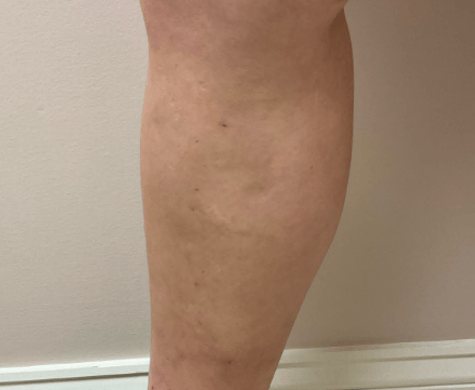
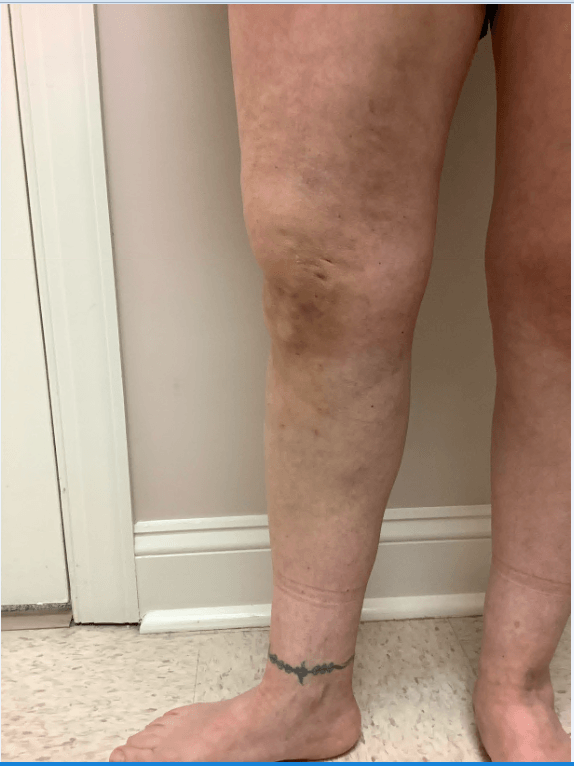
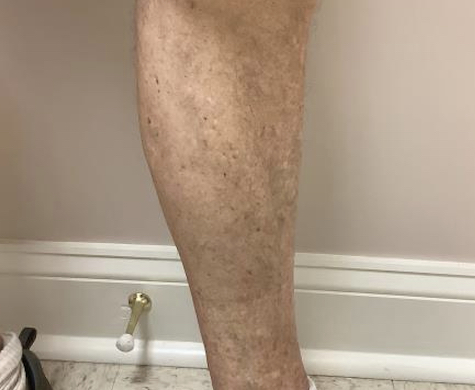
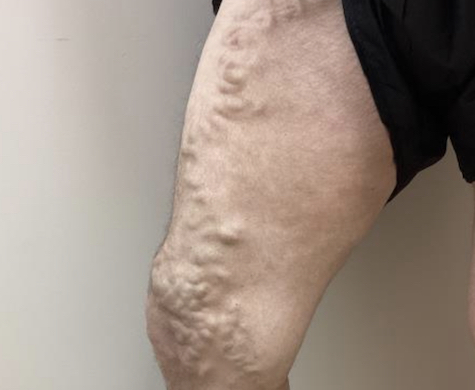
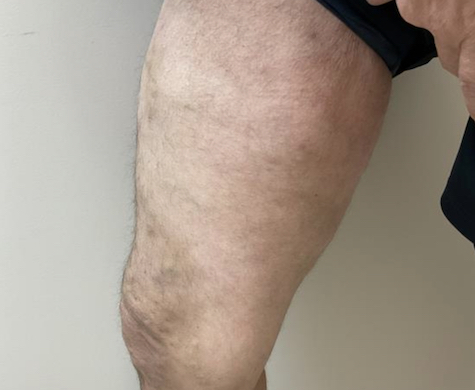
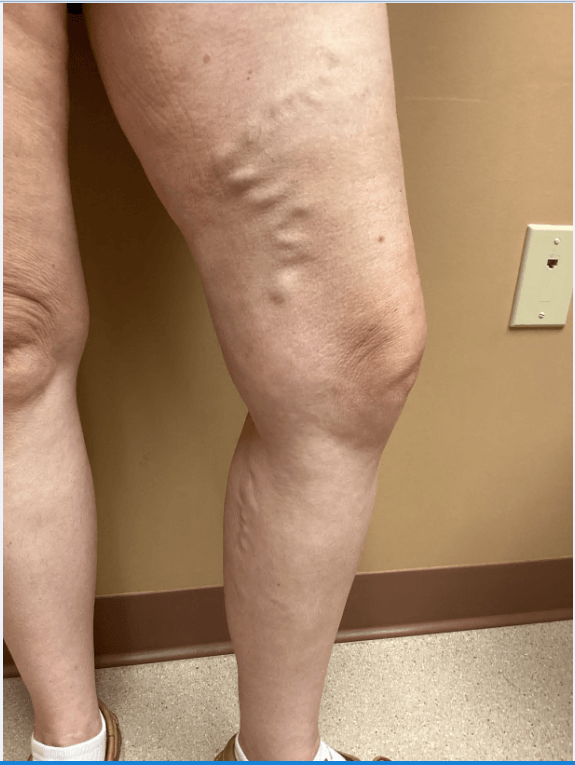
Before & After
– Real Results
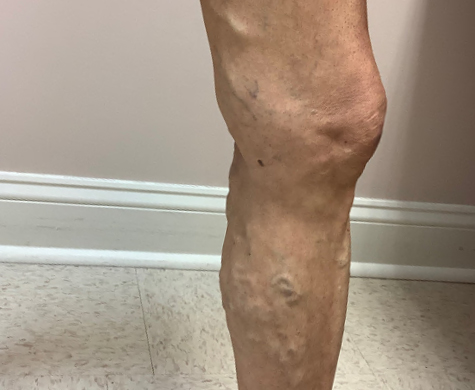 Before
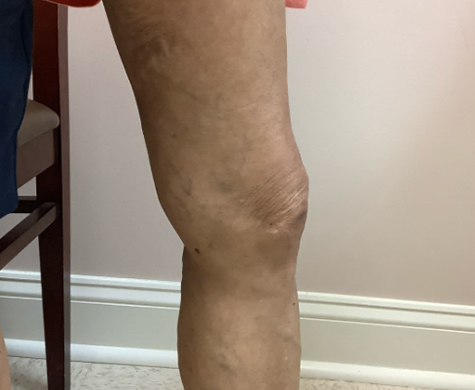 After
After
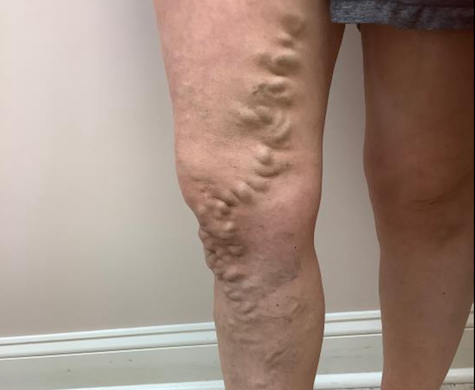 Before
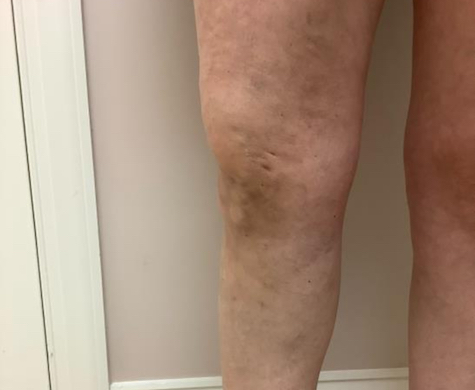 After
After
 Before
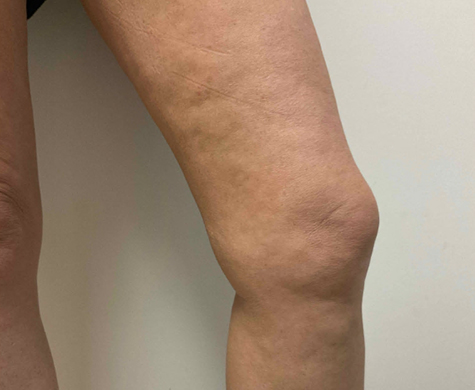 After
After
 Before
 After
After
 Before
 After
After
 Before
 After
After
 Before
 After
After
 Before
 After
After
 Before
 After
After
 Before
 After
After
 Before
 After
After
 Before
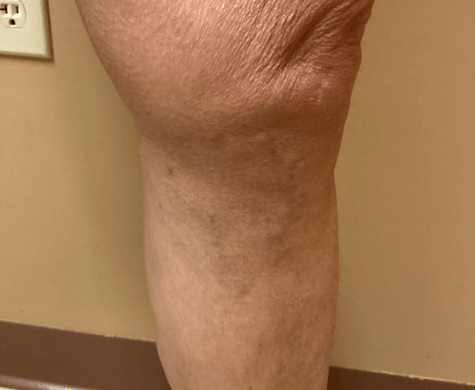 After
After
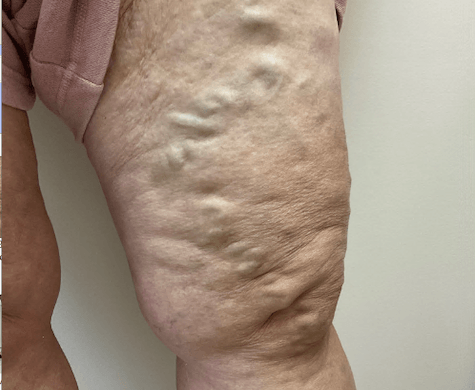 Before
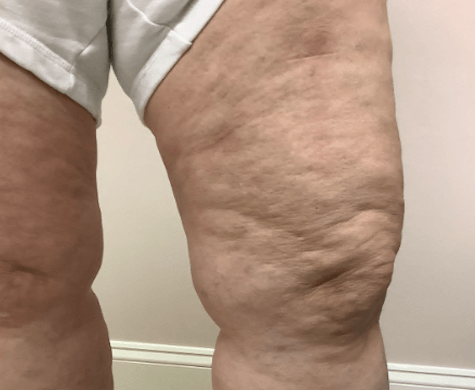 After
After
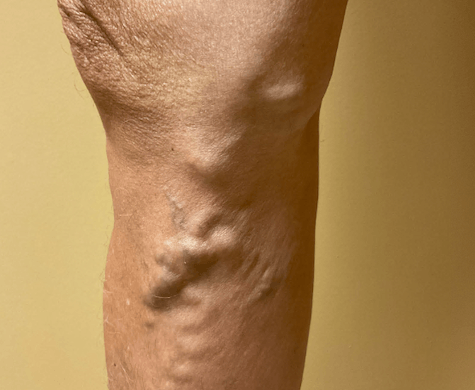 Before
 After
After
Doctors Paul McNeill and Garth Rosenberg are board certified in Vascular Surgery and have decades of experience effectively treating varicose veins with beautiful aesthetic results. Your legs will be healthier, feel better and look younger.
We offer the latest high-tech solutions that can be performed in-office under local anesthesia. Treatment requires little to no down time. The care of venous disease is typically covered by insurance plans because vein procedures are medically necessary to prevent worsening.
Each of these varicose vein procedures is available at all of our conveniently located offices. Our doctors will determine the most appropriate treatment for your condition.
Varicose Veins FAQs
Varicose veins are enlarged leg veins that bulge outward and often are associated with leg pain, aching and heaviness. Varicose veins can worsen over time and produce more leg discomfort, leg swelling, blood clots and skin pigmentation changes. We have found a strong correlation with restless leg syndrome (RLS), and many patients with varicose veins and RLS find significant relief after vin treatment.
Normally veins in the leg carry blood from the lower leg to the upper leg against the steady downward force of gravity. Small, fraglie one-way valves in the veins ensure the proper direction of flow up the leg. If these tiny valves are damaged or cease to function normally, the veins lose the ability to push the blood upwards, and the pressure of gravity causes pooling of venous blood in the leg. As this pressure is transmitted from the inner leg to the outer leg, the surface veins bulge, leading to varicose veins. The normally straight veins become overloaded with blood causing the swelling and twisting that you see at the surface of the leg.
Most varicose veins cause symptoms of aching, heaviness, fatigue, itching or swelling.
Patients are born with an overabundance of leg veins, and treatment of these varicose veins is extremely effective, easing the symptoms and improving the appearance greatly. You will never “run out” of leg veins, even if new veins require treatment.
Varicose veins are caused by venous insufficiency, which prevents the proper flow of blood and allows it to pool in the leg veins. This causes the bulging and symptoms described above. The normal flow of venous blood is up the leg, against the steady force of gravity. One-way valves in the veins propel blood in the proper direction, but if the valves weaken, the direction of flow reverses. This is known as reflux. Venous reflux leads to varicose veins.
The varicose veins that you see on the surface are much larger than normal leg veins and may have a bluish hue due to the increased volume of blood present. The veins may even feel warm to the touch because of the increased volume of blood present so close to the skin.
Genetics plays a big role in determining who is likely to develop varicose veins. In addition, multiple pregnancies, prior blood clots, obesity and leg trauma can lead to these protruding veins.
A duplex ultrasound scan is performed to establish an accurate diagnosis of varicose vein pain and facilitate an effective and durable treatment plan so that the risk of future leg vein problems is minimized
- Aching legs, usually worse as the day progresses
- Throbbing along the enlarged veins where pressure increases
- Itching at the site of skin discoloration (dermatitis)
- Swollen legs, especially in the lower legs when blood does not exit the leg normally
- General discomfort
- Restless legs, which often respond very well to varicose vein treatments
Varicose veins will afflict approximately 20% of all adults by age 60. Varicose vein risk factors include the following:
- Women are more likely to suffer from varicose veins than men, though men make up about 20% of our patients
- Varicose veins may develop during pregnancy or as the result of hormonal changes during menopause
- Family history can put you at higher varicose vein risk
- Those suffering from obesity are more likely to have varicose veins
- Occupational and lifestyle factors requiring long periods of standing can also lead to varicose veins, as can other vein diseases such as blood clots.
Left untreated, varicose veins will increase in size and number. Symptoms may worsen and can lead to leg swelling, chronic skin changes such as dermatitis and discoloration – and in severe cases, non-healing ulcerations. These problems make it difficult to sit or stand for long periods of time, which in turn may affect a person’s activity level and quality of life.
Restless Legs Syndrome (RLS) affects up to 10% of the U.S. population. RLS is caused by unpleasant sensations in the legs that typically appear when lying down and relaxing or sleeping. People with restless legs experience an uncontrollable urge to move their legs to relieve these sensations. RLS occurs in men and women, though the incidence is twice as high in women. RLS sufferers are often unable to sleep, which negatively impacts many other aspects of life.
Varicose Veins are a form of Superficial Venous Insufficiency (SVI) occurring when valves inside the veins that help transport blood back to the heart become damaged or fail. When this happens, blood flows backwards (toward the feet) and pools in the unhealthy veins, causing them to bulge and protrude above the skin surface.
How are Varicose Veins related to Restless Leg Syndrome?
Recent studies have shown that some people affected by RLS also have a form of venous insufficiency such as varicose veins. Those same studies showed that treating the varicose veins also helps improve the symptoms of RLS.
Treatment Options for Varicose Veins Related to Restless Leg Syndrome
The results of these studies strongly suggest that before initiating or continuing drug therapy, anyone suffering from RLS should be screened for venous insufficiency through the use of ultrasound imaging. If venous insufficiency is found, we would encourage a full review of the risks and benefits of treatment of the veins with the goal of curing the RLS. CVL offers the region’s widest range of treatment options, including Microphlebectomy, Sclerotherapy, and VNUS Closure, which have shown to improve RLS symptoms.
Pregnancy is an exciting time, full of surprises and changes. At Capitol Vein & Laser Centers, we see many pregnant patients who are experiencing some unexpected changes in their legs and other areas. According to the American College of Phlebology, “pregnancy causes increases in hormone levels and blood volume which in turn cause veins to enlarge. In addition, the enlarged uterus causes increased pressure on the veins.” These changes can result in the development of varicose veins.
See our Youtube video here to learn more about your varicose veins during pregnancy.
Common Leg Health Problems During Pregnancy
Swollen feet, tired aching legs, and a feeling of heaviness in the legs are among everyday symptoms that may be experienced as a result of varicose veins. These symptoms are more frequent when the woman:
- has a history of varicose veins,
- has a history of venous disease within her family,
- was already experiencing a venous condition prior to the pregnancy,
- sits or stands for prolonged periods of time,
- does not exercise regularly during the pregnancy, or has had more than one pregnancy.
Some women, especially those who have had prior pregnancies, develop large, tender vulvar varicose veins. Vulvar varicosities tend to get worse with each successive pregnancy and as you get older. The cause is usually due to some degree of pelvic vein reflux (backflow) exacerbated by the elevated estrogen and progesterone that occurs during pregnancy. Treatment options are limited during the pregnancy, though many of the vaginal varicose veins will regress soon after delivery.
Swollen vulva and leg veins often occur together and can be quite uncomfortable for the expectant mother, worsening with each trimester. For management and comfort, we recommend an evaluation and venous ultrasound to assess for venous insufficiency. This will allow us to understand the source of your bulging veins and better manage your care during the remainder of your pregnancy. We recommend the V2 Supporter to help ease discomfort from vulvar varicosities. The vulvar supporter can also help relieve other symptoms common during pregnancy including painful or swollen labia and perineum pressure.
Though a vein specialist can provide recommendations on how to relieve your varicose vein symptoms during pregnancy, they should not provide treatment until after the baby is delivered. Even if the patient plans to have another baby, Drs. McNeill and Rosenberg advise seeking an evaluation and treatment between pregnancies. A vein specialist can evaluate the leg with duplex ultrasound and will likely use the Closure Procedure (VNUS Closure) or micro-phlebectomy as treatment. Both are in-office procedures done under local anesthesia, and most patients can return to normal activity the same day.
Venous stasis ulcers occur on the lower legs and ankles. They appear because elevated pressures within the veins, due to reflux (backflow) is transmitted to the skin, causing damage, fragility and eventual breakdown. Varicose veins are a manifestation of the same reflux in veins under the skin.
The low level chronic inflammation of the subcutaneous tissues, in response to the elevated venous pressures, leads to breakdown of the normal tissue integrity with eventual ulceration in many patients.
Simple treatment of varicose veins and venous reflux can essentially eliminate the risk of developing venous ulcers as blood flow in the leg normalizes. This is done primarily by ablating incompetent saphenous veins with VNUS Closure, or removing surface veins with microphlebectomy. Both of these office based procedures are very effective at restoring your normal venous flow.
Once a venous stasis ulcer develops, we generally refer patients to the local wound care center for intensive wound management nurse or therapist trained specifically in wounds. We will evaluate our patients with venous duplex scans to assess the vein flow and the areas of reflux needing treatment. The vein treatment is often done while the ulcer is in its healing phase so we can speed the rate of healing and reduce the risk of recurrence.
We strongly advise patients with varicose veins, especially those who notice darkening of the ankle skin, to seek early evaluation so we can reduce the risk of venous stasis ulcer formation.